Newborn Sleep Support
Newborn sleep support that starts with your baby
Your baby isn't a schedule. Jackie watches, listens, and helps sleep take shape around the baby you actually have.

Virtual support
Virtual Infant Sleep Support
Practical sleep guidance for real families and real babies.
Not every family needs overnight care. Sometimes parents simply need experienced guidance to understand what their baby is communicating and determine what changes may help everyone get more rest.
The short answer
What is newborn sleep support?
Newborn sleep support means helping a baby's sleep develop at the pace that fits their age, using safe sleep practices and the baby's own cues. It isn't sleep training and it isn't cry-it-out. Jackie completed the Newborn Sleep Specialist certification with the Institute of Pediatric Sleep and Parenting in 2024, and she brings that training into every overnight shift.

Her approach
Observe, listen, respond
Jackie's approach is never about forcing every baby into the same schedule. She believes babies are individuals, families are different, and good newborn care begins with observing, listening and responding appropriately.
Her extensive background in child development allows her to look beyond the immediate task of caring for a baby and understand the developmental needs behind a baby's cues and behaviors.
What that looks like at night
- Reading hunger cues and sleep cues, and knowing which one she's looking at
- Soothing and settling that fits your baby's age and temperament
- Rhythms that grow out of what your baby shows her, not a chart
- A log you can read in the morning, so you can see patterns form
- Your choices first. If you hold your baby for naps or feed on demand, she works with that.
AAP safe sleep
Safe sleep, every time
Jackie follows the American Academy of Pediatrics (AAP) safe sleep recommendations every night. Many families learn them as the ABCs:
-
Alone
Your baby sleeps in their own space. The AAP says to use a fitted sheet only, with nothing else in the crib.
-
Back
Your baby goes down on their back, for naps and at night.
-
Crib
A firm, flat surface, like a crib or bassinet that meets safety standards.
The AAP recommends sharing a room with your baby, close to your bed but not in it, for at least the first 6 months. Room-sharing, not bed-sharing.
The AAP also says not to use weighted sleep products. That means no weighted blankets, sleepers, swaddles or other weighted objects on or near your baby.
Read the AAP's safe sleep guidance for parents (opens in a new tab) From HealthyChildren.org, the AAP's site for parents.
Jackie isn't a medical provider and doesn't give medical advice. If you have a question about your baby's health, breathing or sleep, call your pediatrician.
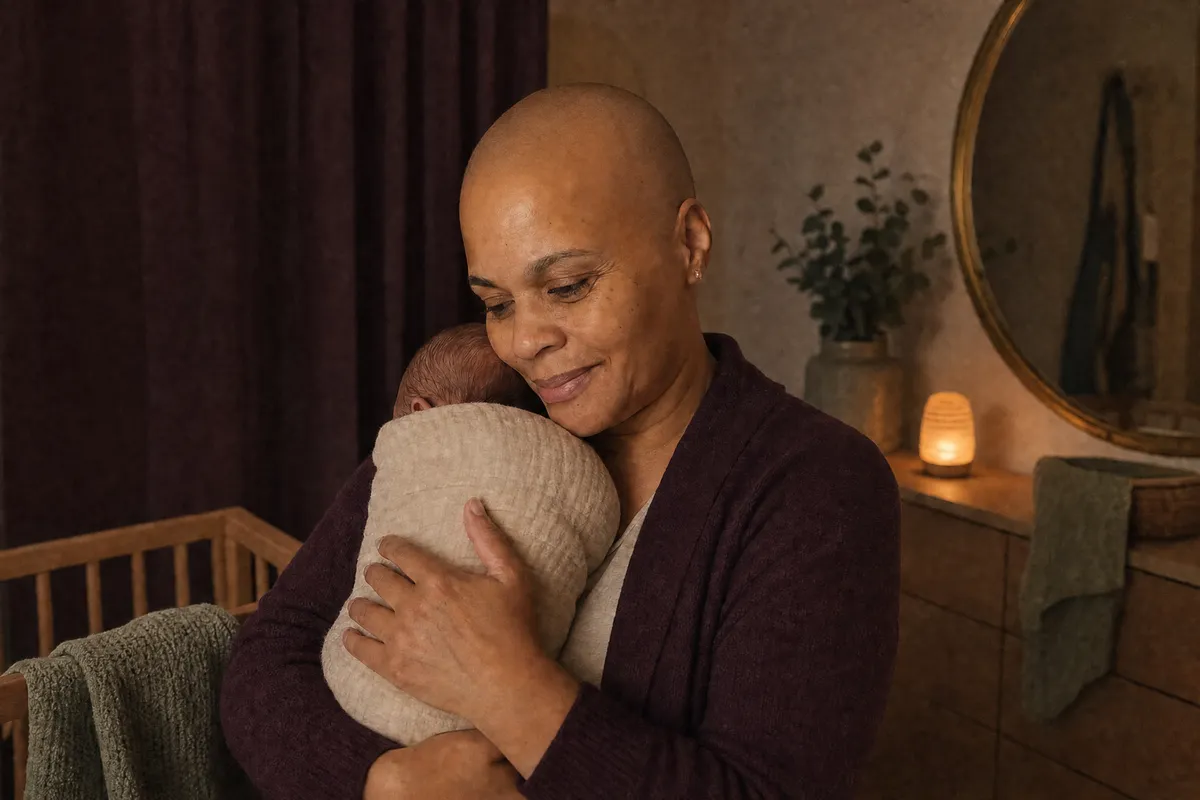
Your home, your call
I'm not there to replace your instincts as a parent. I'm there to support you as you learn your baby and your baby learns you.
Training
The training behind it
Newborn Sleep Specialist certification, Institute of Pediatric Sleep and Parenting, February 2024. Jackie is listed in the Institute's graduate directory.
See the directory listing (opens in a new tab) · All credentials
Inquire
Sleep support comes with every night
Sleep support is part of every overnight shift. Tell Jackie where things stand, and she'll tell you how she can help.
Quick facts
Quick facts
- How does Jackie approach newborn sleep?
She follows the baby's cues and the American Academy of Pediatrics safe sleep recommendations. There is no one schedule for every baby, and no cry-it-out.
Source: Newborn sleep support
- Is Jackie a certified sleep specialist?
Yes. She earned the Newborn Sleep Specialist certification from the Institute of Pediatric Sleep and Parenting on February 28, 2024, and is listed in its graduate directory.
- Does Jackie provide medical care?
No. Jackie is a non-medical Newborn Care Specialist. Nothing on this site is medical advice; families bring medical questions to their pediatrician.
Source: Terms
Last reviewed .